The Story
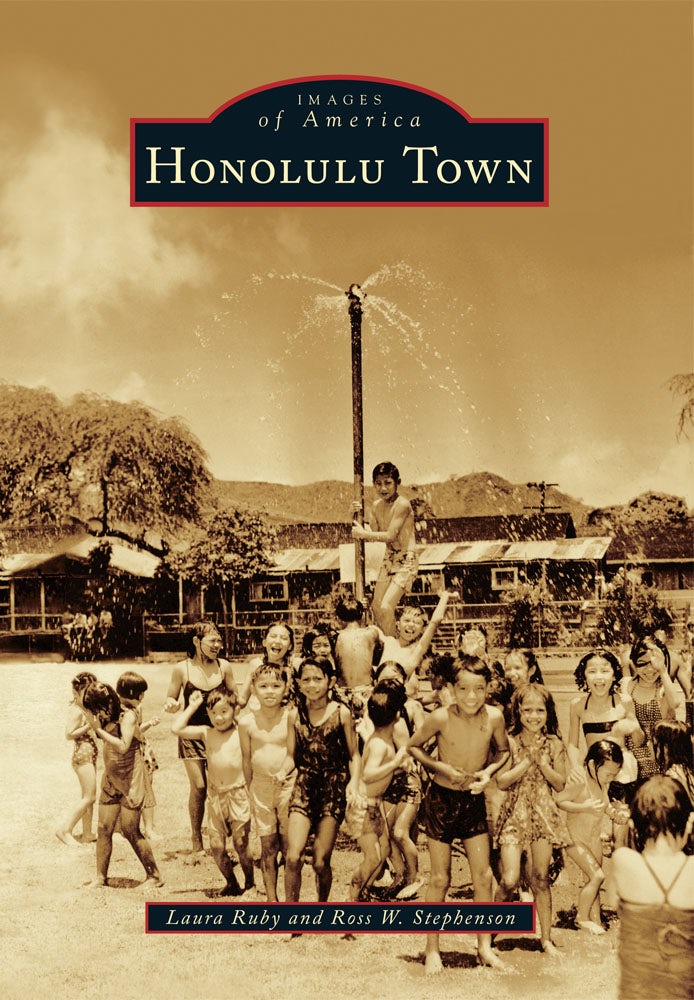
Before Honolulu became one of the most popular tourist destinations in the world, there was a small Hawai’ian settlement at the edge of a natural harbor known as Kou.
Named Kou for the sheltering, orange-blossomed trees, the area was ideal for launching canoes for fishing and cultivating fields adjacent to the Nuuanu Stream. In 1845, King Kamehameha III moved the permanent capital of the Hawai’ian Kingdom from Lahaina to O’ahu, and the Honolulu we know today started to take shape. The name Honolulu means “protected harbor” and that is what the tropic paradise must have felt like as the city began to grow in commerce and resources. Americans began to flock in from the mainland as tourists, businessmen, and missionaries, and immigrants from around the world traveled to this small island to begin a new life. Successive waves of immigrants came to this port town, bringing with them new religions, architecture, education, foods, and social mores. The small confines of this town encouraged cross-pollination of peoples and ideas that fostered the unique neighborhoods that give Honolulu its character.
Description
Before Honolulu became one of the most popular tourist destinations in the world, there was a small Hawai’ian settlement at the edge of a natural harbor known as Kou.
Named Kou for the sheltering, orange-blossomed trees, the area was ideal for launching canoes for fishing and cultivating fields adjacent to the Nuuanu Stream. In 1845, King Kamehameha III moved the permanent capital of the Hawai’ian Kingdom from Lahaina to O’ahu, and the Honolulu we know today started to take shape. The name Honolulu means “protected harbor” and that is what the tropic paradise must have felt like as the city began to grow in commerce and resources. Americans began to flock in from the mainland as tourists, businessmen, and missionaries, and immigrants from around the world traveled to this small island to begin a new life. Successive waves of immigrants came to this port town, bringing with them new religions, architecture, education, foods, and social mores. The small confines of this town encouraged cross-pollination of peoples and ideas that fostered the unique neighborhoods that give Honolulu its character.